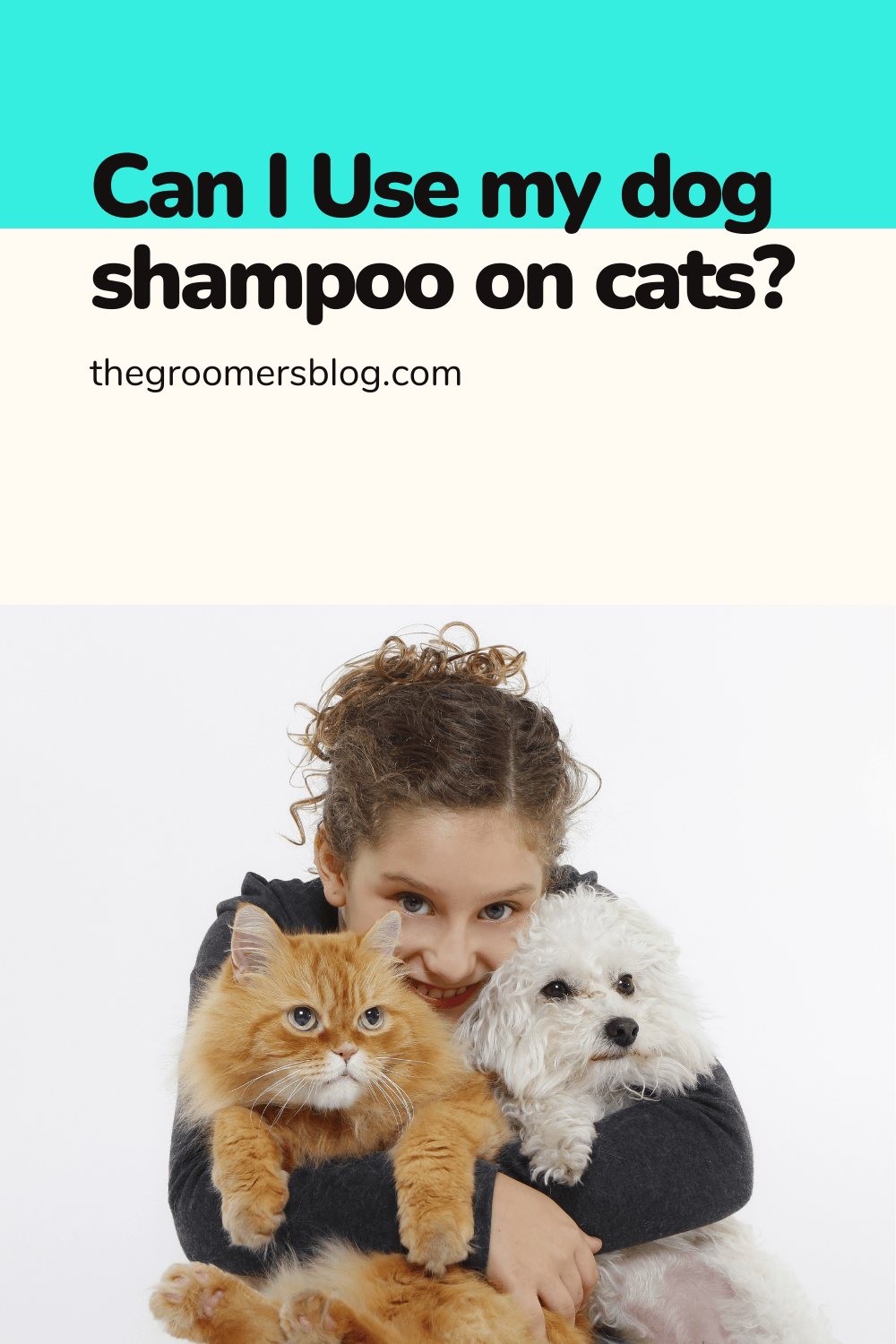
When it comes to pet care, we all want the best for our furry companions. Although many products are safe for both dogs and cats, using a shampoo specifically designed for dogs on your cat may not always be the best idea. In this blog, we’ll dive into why dog-specific shampoos might not suit your feline friend, outline the main differences in grooming needs between cats and dogs, and share tips on keeping both your pet dog and cat looking their best.
Key Differences Between Dog and Cat Skin
At a glance, one might assume that a quality pet shampoo works equally well on both dogs and cats. However, there are crucial differences between the species that can make this approach risky:
pH Balance
Cats have a more acidic skin environment (about pH 6) compared to dogs (around pH 7.5). Shampoos formulated for dogs cater to this higher pH, and when used on cats, they can strip away essential natural oils. The result? Dry, irritated skin and a less vibrant coat.
Skin Sensitivity
Feline skin is far more delicate than canine skin. Ingredients that are mild for dogs might be too strong for cats, potentially causing discomfort or allergic reactions.
Self-Grooming Habits
Cats are well-known for their meticulous self-grooming. If they ingest any leftover shampoo not meant for their system, it could lead to health problems over time.
Ingredients That Can Pose Risks
Certain components in dog shampoos can be particularly harmful to cats. Here are some key ingredients to watch for:
- Permethrin:
Often found in dog flea shampoos, permethrin is safe for dogs but extremely toxic to cats. Even small amounts can trigger serious health issues, so it’s important to avoid dog shampoos containing this chemical when bathing your cat. - Essential Oils:
Essential oils, like tea tree oil, are frequently used in dog shampoos for their antibacterial and antifungal benefits. However, cats can be very sensitive to these oils, and high concentrations might cause skin irritation or other adverse reactions. - Coal Tar:
Used in some therapeutic dog shampoos, coal tar can interfere with a cat’s natural grooming processes, increasing stress and leading to a buildup of dirt on their coat.
Products Suitable for Both Pets
Fortunately, there are pet shampoos designed to be safe for both dogs and cats. These unisex formulas are carefully balanced to meet the sensitive skin requirements of cats while still effectively cleaning dogs. For instance products like Cindra’s Moisturizing Shampoo and Cindra’s Cleansing Shampoo are crafted with simplicity and efficacy in mind, delivering excellent results for both pets—just be sure to verify that the formula is free of ingredients that might harm your cat.
Safe Bathing Tips for Your Cat
If you need to bathe your cat, consider these best practices:
- Select the Right Product:
Opt for cat-specific shampoos whenever possible. If you use a product designed for both dogs and cats, carefully check the ingredient list to ensure it’s safe for felines. - Consult Your Veterinarian:
When in doubt about a product’s safety, a quick chat with your vet can offer personalized advice and peace of mind. - Introduce Bathing Gradually:
Cats can be more resistant to baths than dogs. A gentle, gradual introduction to the bathing process—and considering waterless alternatives—can make the experience less stressful for them. - Monitor for Reactions:
After a bath, keep an eye on your cat for any signs of irritation or discomfort. If you notice any unusual behavior, redness, or itching, consult your vet immediately.
In Conclusion
By choosing the appropriate products and following these safe bathing tips, you can ensure that both your dogs and cats remain healthy, happy, and well-groomed. Understanding these differences is key to effective pet care. Happy grooming!
Curious about products that cater to both your dog and cat? Visit Cindra Grooming Products to explore their range of thoughtfully formulated, pet-friendly grooming solutions.


Leave a Reply